

Technical writing on Japan's renewable grid.
Solar forecasting, BESS dispatch, OCCTO scheduling, and grid operations from the Bluefield engineering team.

All posts
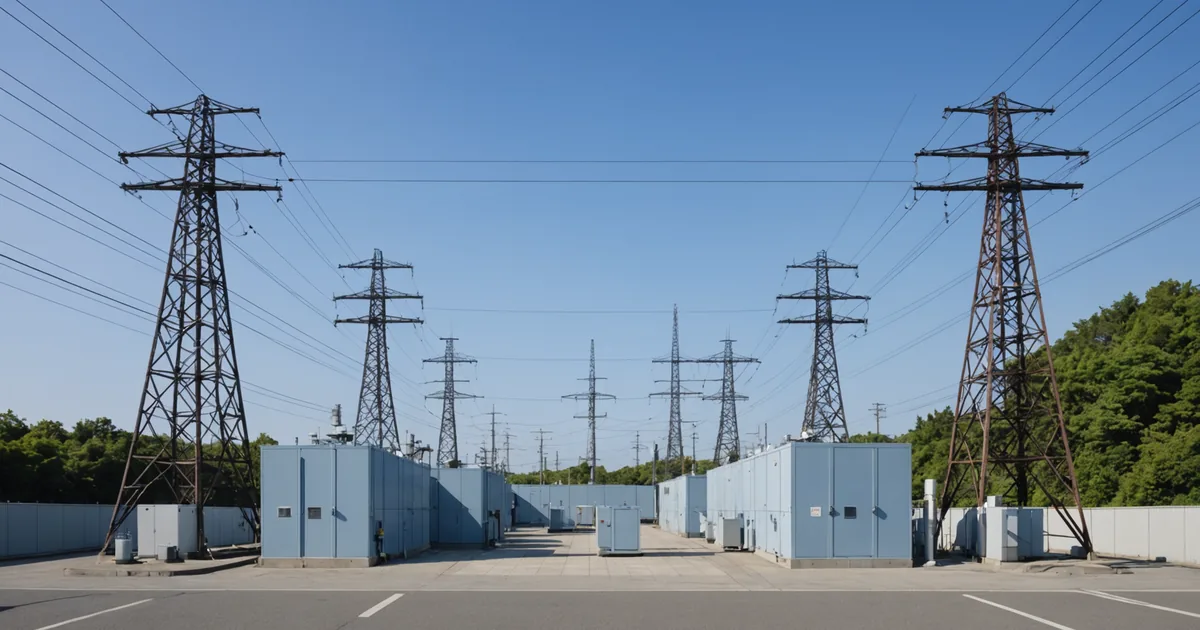
Japan's Renewable Frequency Challenge: Why 50Hz Makes BESS Dispatch Harder
The structural difference between 50Hz and 60Hz island grids shapes every decision in how battery storage must be operated in western Japan.
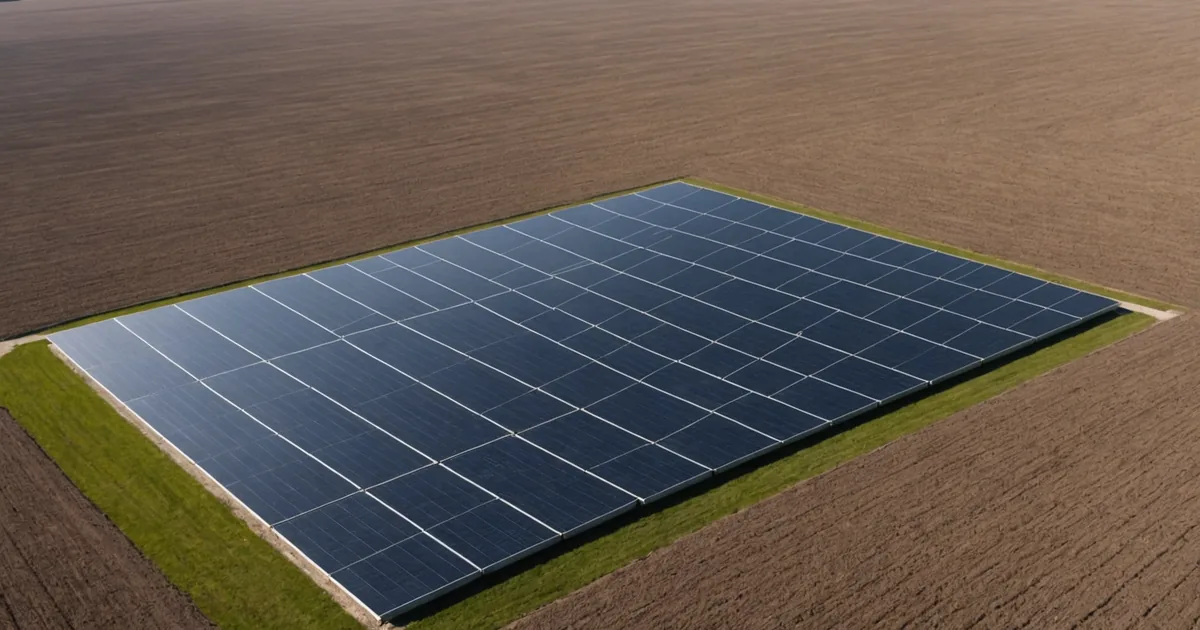
The Forecast Quality Gap: Why Generic NWP Data Underserves Solar Dispatch
Global NWP models are optimized for large-scale atmospheric prediction, not the 30-minute irradiance precision that battery dispatch needs. This is why local correction matters.
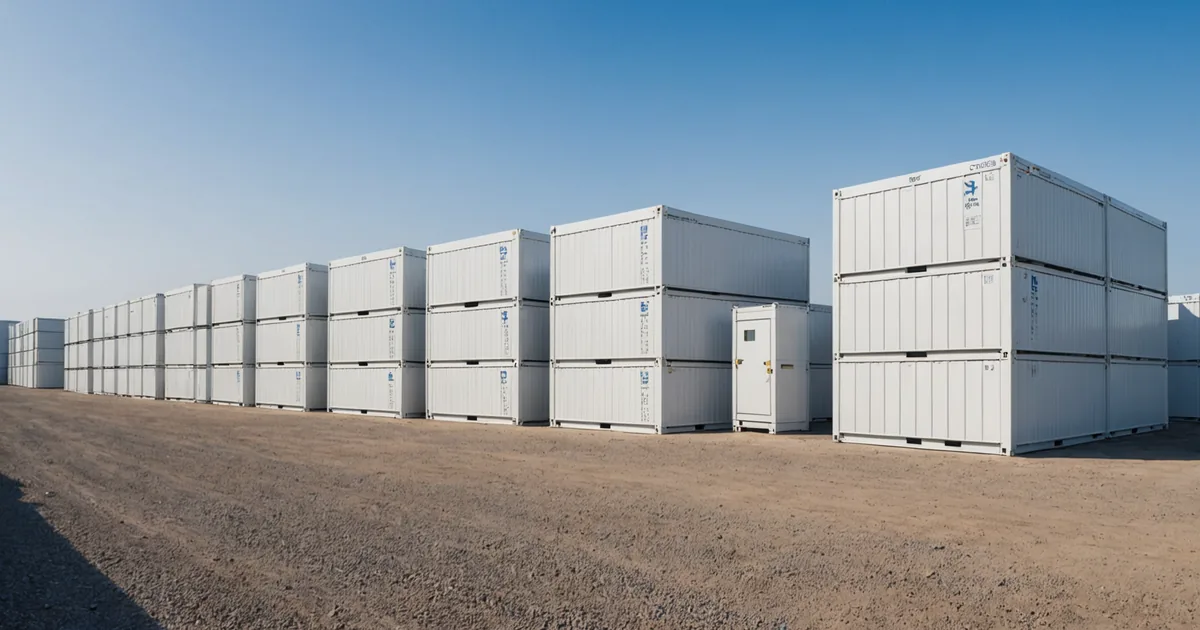
Scaling Battery Dispatch Optimization Across a Multi-Site Portfolio
Portfolio-level dispatch optimization requires coordinating state-of-charge targets across sites that share grid exposure but have different capacity ratios and degradation states.

Building Trust with Grid Operators: How Automation Earns Adoption
Grid operators do not adopt automation because it is technically capable. They adopt it because they understand what it will do before it does it. That is an explainability problem, not a performance problem.
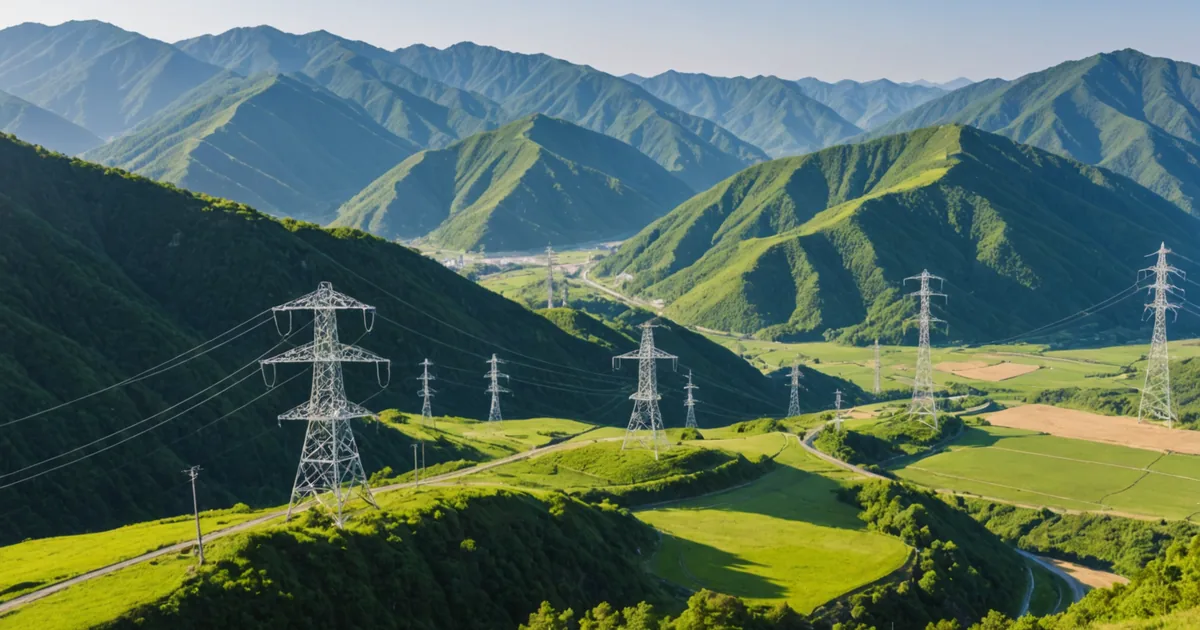
OCCTO Interconnection Rules and How They Shape Storage Dispatch Strategy
OCCTO's scheduling and imbalance penalty structure creates hard constraints on when and how batteries can be dispatched in Japan's wholesale market. Here is what operators need to know.

Day-Ahead vs. Intraday Forecast Horizons: How Each Shapes BESS Strategy
The forecast horizon you optimize for determines how your battery behaves during actual grid events. Day-ahead schedules and intraday corrections have different accuracy profiles and require different dispatch logic.
State-of-Charge Management: Why Target SOC Is Not a Simple Number
The right SOC target before a solar ramp event depends on the forecast confidence, the degradation state of your cells, and the market penalty for missing a dispatch instruction. Treating it as a fixed set-point is a common and costly mistake.
The Real Cost of Renewable Curtailment in Western Japan
Curtailment in Kyushu and Shikoku is not just a wasted generation problem. It signals a dispatch gap that costs operators in imbalance penalties and missed arbitrage. We look at what the numbers actually mean.

What Makes a Good Training Dataset for Grid-Scale Solar Forecasting
Not all irradiance records are equal for training a dispatch-grade forecast model. The resolution, gap frequency, and seasonal coverage of your training data shape the model's weakest points.
Why Grid Operators Distrust Black-Box AI and What Explainability Actually Means
Operators who have been burned by an unexplained curtailment or a missed ramp call from a previous automation system will not adopt a new one without understanding what it will do next. That is the explainability challenge in practice.
When Arbitrage Logic Misses the Peak: The Core Problem with Simple Dispatch Models
Price-spread arbitrage is how most battery dispatch tools are designed. It works in liquid markets with predictable spreads. It breaks in Japan's renewable-heavy grid where the most valuable dispatch windows are intraday ramp events, not overnight price differences.